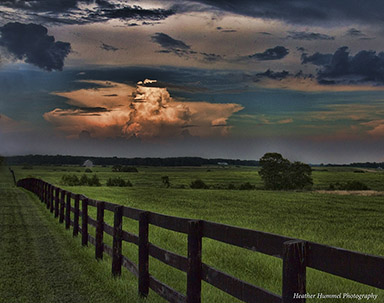
St. Johns River by Heather Hummel

St. Johns River by Heather Hummel
St. Johns River by Heather Hummel Photography
Showing posts with label copyrights. Show all posts

Friday, June 26, 2015

Photographers, Don't Think You Need to Register Your Copyrights? Think Again

2014-12-16-HeatherHummelSummerSkyLR.jpg
"Summer Sky"
Photo Credit: © Heather Hummel Photography

So many people get caught up in the fact that "you don't have to register the copyrights to your work because it's copyrighted the moment you create it." True. Anything you create is protected by copyright the moment you create it. HOWEVER, if you want real protection and legal hold when it comes to your work being stolen (copyright infringement), it's worth the few minutes and few dollars to register it.

Last spring when I discovered eight of my own images had been copyright infringed, I became particularly passionate about the legal rights of artists. I was fortunate that I had done a few things to help with protecting my work. One step was including a copyright statement, which is clearly stated, on my website. But, the most important step I took was not only registering my copyrights, but doing so in a timely manner. As such, several of my images that were stolen had already been registered with the U.S. Copyright Office upon infringement. I can attest that it was worth the few pennies per image to do so.

For example, the fee for me to register 184 photos for 2013 and 134 photos for 2014 was $55 per batch. That was done via an online registration form with the U.S. Copyright Office. Note that the limit per batch is 250 photos for $55 and batched by calendar year. The $110 to register several hundred photos was the best insurance policy I've ever bought. I will also add that the people I spoke to and e-mailed with from the U.S. Copyright Office were incredibly helpful and knowledgeable.

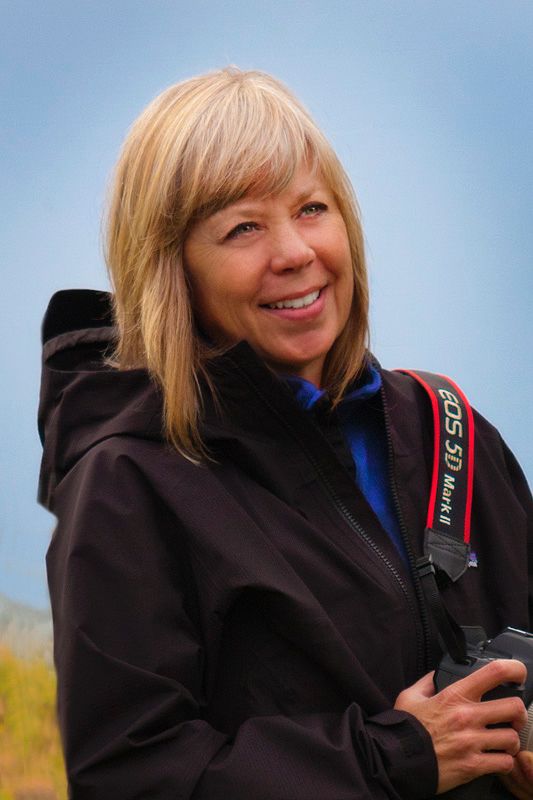
So,why does registering matter? Since I'm not an attorney, and in order to shed legal light on the topic, I reached out to copyright attorney Carolyn E. Wright, who specializes in protecting photographers via her law firm, found online at Photo Attorney. She is not only a photographer herself, but she is incredibly knowledgeable in the field and was willing to answer some questions on the topic.
2014-12-16-CarolynEWright.jpg
Carolyn E. Wright 
HH: Why should an artist copyright register their work?

CW: When a photo is not registered with the U.S. Copyright Office prior to the infringement, or within three months of the first publication of the photo, a copyright owner may recover only "actual damages" for the infringement (pursuant to 17 U.S.C. 504 (b)), instead of statutory damages. Courts usually calculate actual damages based on your normal license fees and/or industry standard licensing fees. You also may recover the profits the infringer made from the infringement if they aren't too speculative.

If your photo is timely registered for an infringement, you will be eligible for statutory damages of up to $150,000 for a willful infringing use. See 17 USC §504(b) and (c). You also may be able to recover some of your legal fees and court costs from the infringer. See 17 USC §505. Additionally, you need to have received your registration certificate to file a complaint for a copyright infringement lawsuit in most federal courts.

HH: With so many artists posting their work online, how important is it to use the © symbol, and what is the proper format? 

CW: Including a copyright no¬tice is no longer required for copyright protection, but it is a good idea to use it. When the copyright notice is used, it may stop someone from stealing your art, either because it serves as a reminder that the work is protected or because the notice interferes with the use of the work. When you post a copyright notice along with your registered images, then the infringer cannot claim that the infringement was innocent (reducing the damages to as low as $200 per work) and a court is more likely to find that the infringement was willful, supporting the maximum in infringement damages.

The official copyright notice has three parts: the first part is the © (the letter "c" in a circle), the word "Copyright," or its abbreviation, "Copr." The second part notes the year when the work was first published. The third required part of a copyright notice is the name of the copyright owner. For example, the final format looks like this: © 2014 Carolyn E. Wright.
2014-12-16-CEWspeakingbyKristinBoydwithcredit.jpg
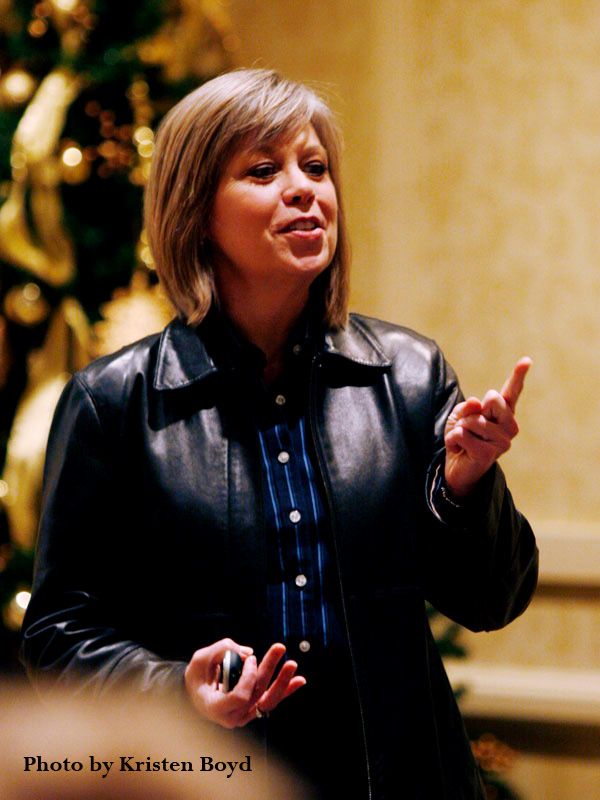
Carolyn E. Wright: Photo Credit © Kristen Boyd
HH: What immediate steps should an artist take when they find their work has been copyright infringed?

CW: Many people think that they have a right to use your photos or they won't be caught if they do. When you find an infringement, make copies of it. Once the infringer realizes that she is caught, she will do what she can to get rid of the evidence of the infringement. Check whether your copyright management information (such as your name, contact information, and copyright notice) is included in or has been removed from the infringing use.

Fortunately, there are many tools to battle copyright infringement. Three steps include:

1. Prepare a DMCA Take-Down Notice. Thanks to the U.S. Digital Millennium Copyright Act ("DMCA") enacted in 1998, the Internet Service Provider ("ISP") that hosts a website is not liable for infringement only if the ISP removes the infringing materials from a user's website after receiving proper notice of the violation. The notice must: be in writing, be signed by the copyright owner or the owner's agent, identify the copyrighted work claimed to be infringed (or list of infringements from the same site) and identify the material that is infringing the work. Additionally, the notice must include the complaining party's contact information, a statement that the complaint is made in "good faith," and a statement, under penalty of perjury, that the information contained in the notification is accurate and that the complainer has the right to proceed (because he is the copyright owner or agent).

2. Another option is to prepare a "cease and desist/demand letter yourself. When you don't want to alienate the infringer (the infringer is a potential client and/or appears to be an innocent infringer), you may want to contact the infringer to explain that the use is not authorized and either request payment of an appropriate license fee, a photo credit with a link to your website, or that the infringer cease use of the image. It's best to do this in writing--a letter by surface mail seems to have more clout than email correspondence.

3. The most aggressive option is to pursue legal remedies by filing suit. Unless there is a breach of contract or some other state claim, infringement claims are filed in a federal district court. To file suit, it is best to hire an attorney because the legal procedures are complicated. Note that you have three years from the date of infringement to sue for copyright infringement.
2014-12-16-HeatherHummelPhotographyMadisonCountyCows.jpg
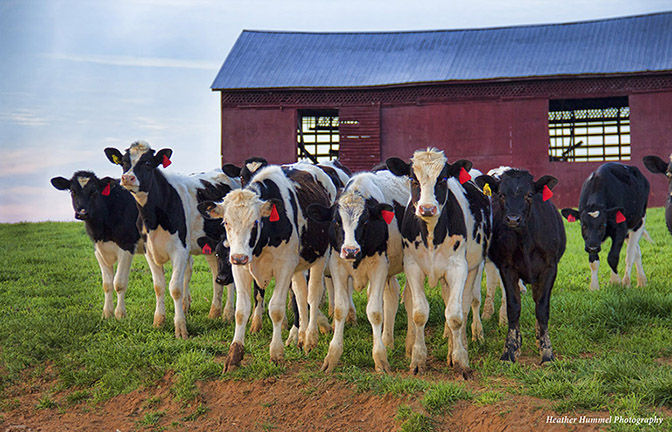
"Madison County Cows"
Photo Credit: © Heather Hummel Photography

I often hear that "there's nothing you can do if you post images online, expect to have them stolen." In fact, there are plenty of steps an artist can take to protect their work. Start with registering copyrights at http://www.copyright.gov/.


Tuesday, June 23, 2015

The New Way to License Photographs: A Q&A with ImageBrief Co-Founder Simon Moss

Imagine if you had a project that required a certain, even specific, image and rather than pool through thousands of images in a stock library, you could personally describe the photo you have in mind in great detail to a pool of professional photographers. And, imagine if these photographers would then present, for your consideration, their professional images that match your description. You don't have to imagine anymore. This is how photo licensing is done in this new age of the arts. This is how licensing is done through ImageBrief.
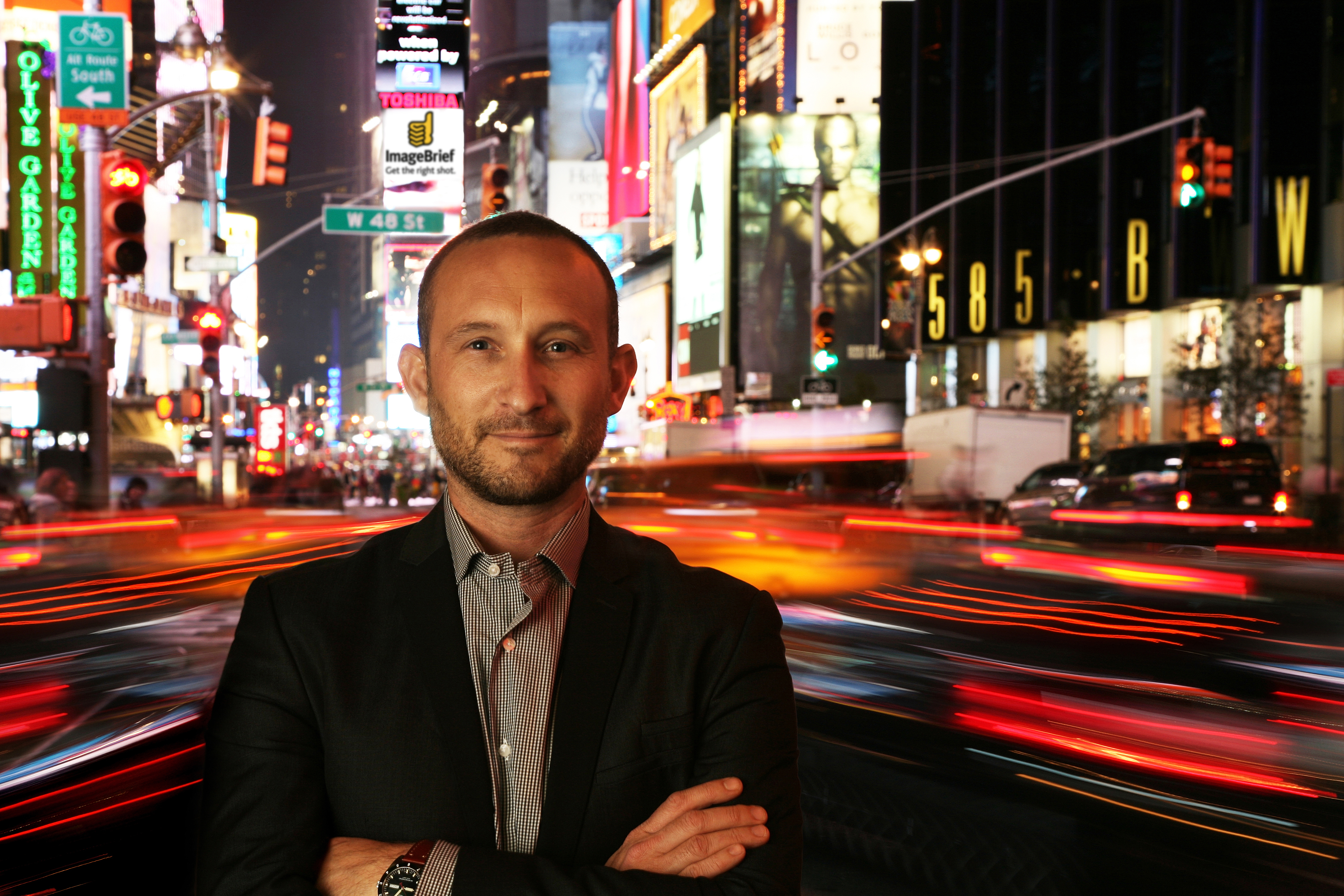
2014-09-09-CEOSimonMoss.jpg
Photo Credit: Michael Kraus
This new licensing concept is the brainchild of Simon Moss, co-founder of ImageBrief. I was intrigued by the business model, both as a photographer and a book cover designer who often needs specific images for my own projects. As such, Simon was kind enough to answer my questions in this one-on-one interview.
HH: What did you do before launching ImageBrief?
SM: I ran a stock library with Meg, co-founder of ImageBrief - and more importantly my wife. It was a traditional photography site.
HH: What was your motivation for launching a crowdsourcing platform for photographers to sell images?
SM: The way buyers used our original stock photography platform gave us great insight. Although we'd invested heavily in the search capability of our original business, we still received emails from buyers requesting very specific images that we couldn't easily provide.
But we knew the content was out there, sitting on the hard drives of photographers around the world. We'd share requests with photographers we thought might have the shot. They would respond with images that matched the brief perfectly and were able to monetize work that hadn't yet been made available online.
We knew connecting buyers and sellers in this way would change the industry for the better. That was when ImageBrief was born.
2014-09-09-CEOSimonMossopensImageBriefNYOffice.jpg
Photo Credit: Michael Kraus
HH: What are the biggest trends that have changed the photography business in the past decade?
SM: So much has changed, but the place it starts is simply the tools available. Photography became a business that was "end-to-end digital" - from the moment a shot was taken to its final use. Like all media businesses, new tools suddenly emerged that made the production of content - in this case a photograph - easier than ever.
Cheap digital SLRs flooded the market and, good or bad, there was an explosion in the volume of photography from amateurs suddenly competing with professionals. I really think you can trace everything back to that.
With this came millions of images from people willing to charge much less per shot. This facilitated an explosion in lower-cost stock libraries like Shutterstock, while the higher-end of the market retreated to Getty. Not the most effective solutions for marketers or photographers.
We created an infographic that explains this in greater detail.
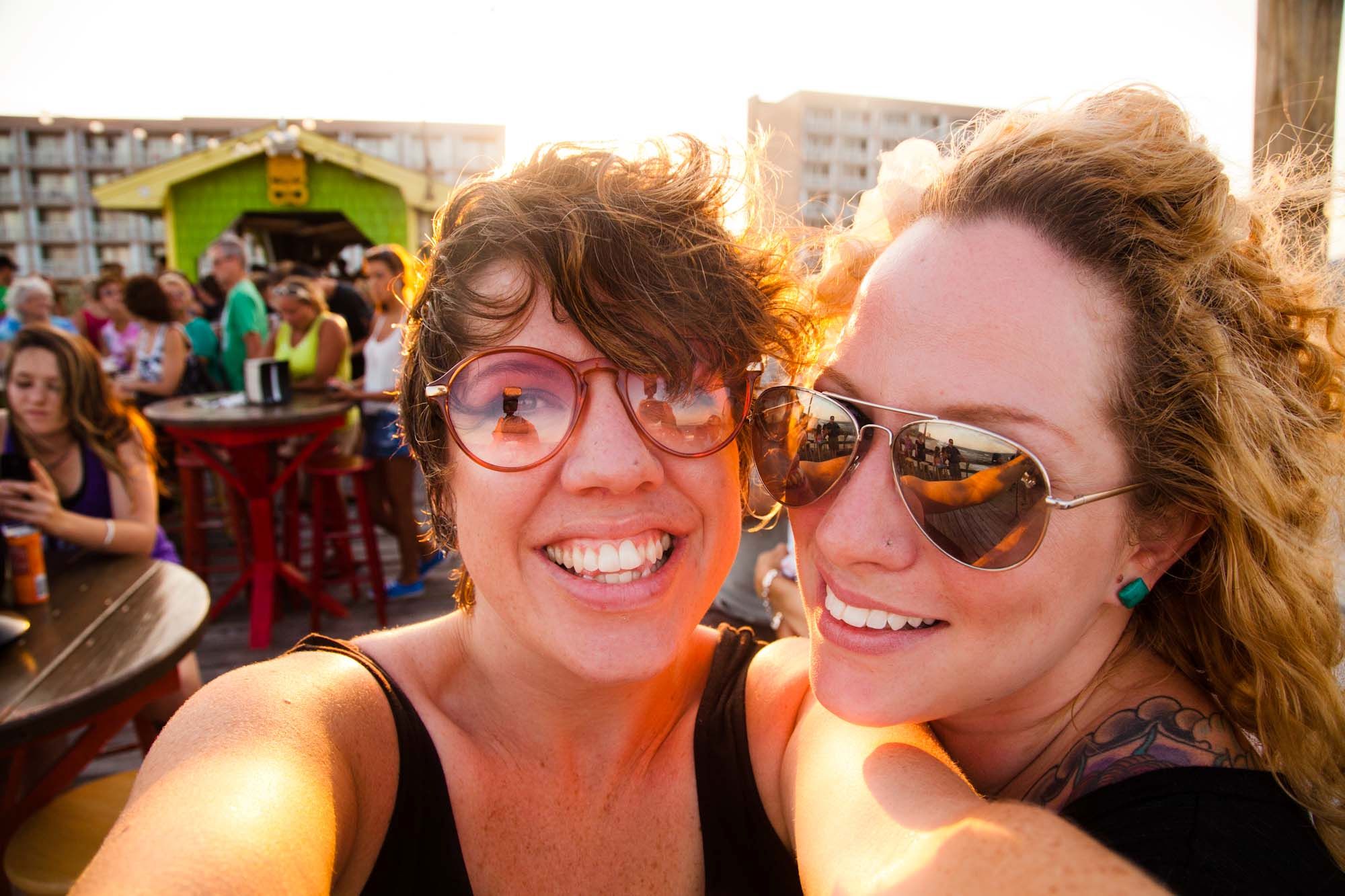
2014-09-09-Facebook.jpg
ImageBrief sourced, licensed, and obtained model releases for this candid image used on Facebook's own page to promote their new Nearby Friends feature.
Photo credit: Jazzmine Beaulieu
HH: With the increased popularity of Instagram, Flickr and others, user generated images are everywhere. How can photographers survive when competition for sales has skyrocketed?
SM: You're right about the competition sky-rocketing, but that has less to do with platforms like Instagram than with the means of production so widely available.
The majority of amateur user-generated content is not sufficient for commercial purposes. Resolution, image sizes and similar quality factors are an issue. But beyond that, brands, publishers and agencies still require model-released content they're confident won't show up in a competitor's marketing. ImageBrief alone connects buyers directly to photographers who can fulfill these needs. It will always be hard for most artists to earn a living from their craft, but we're giving photographers better opportunities to succeed.
HH: What is the coolest use of an image sold via ImageBrief?
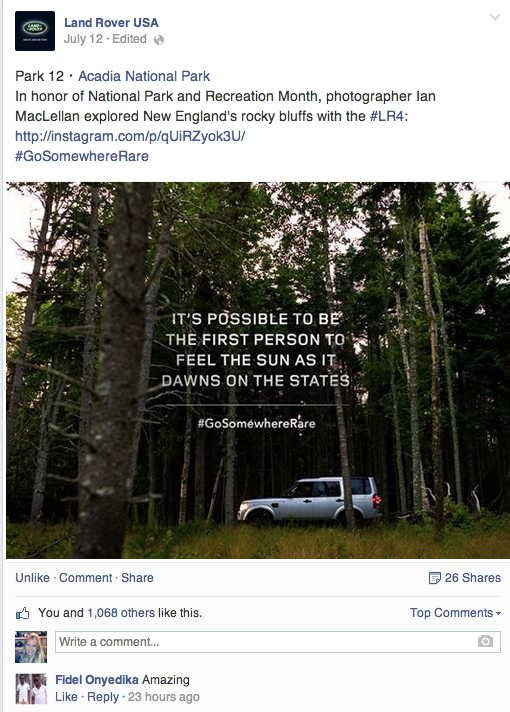
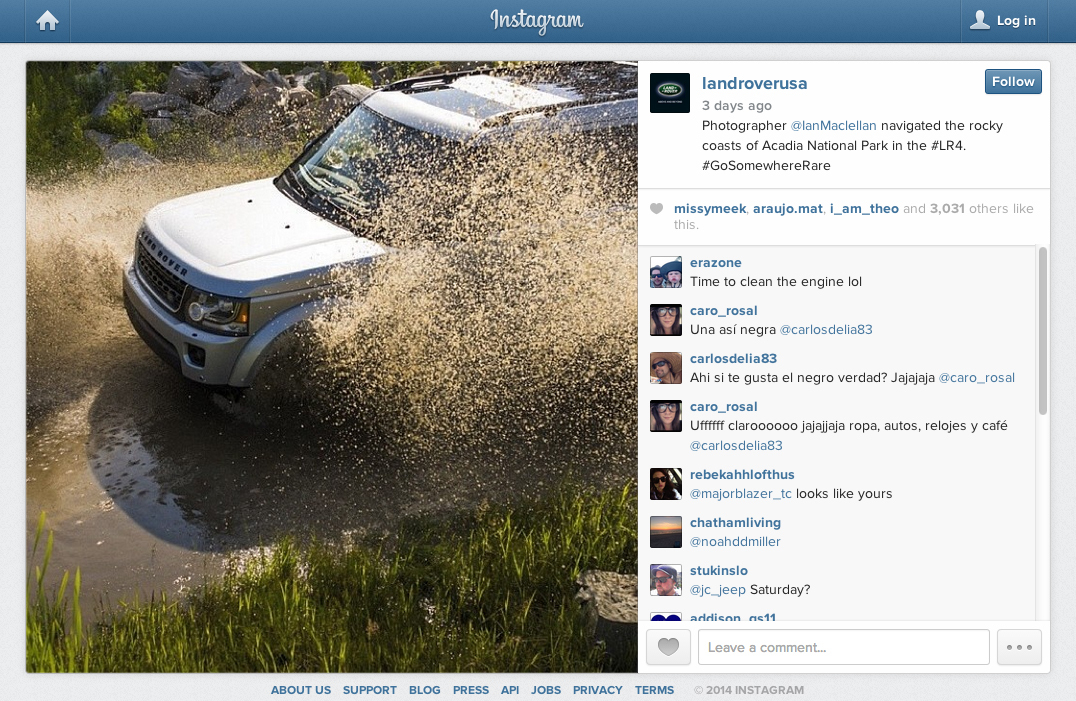
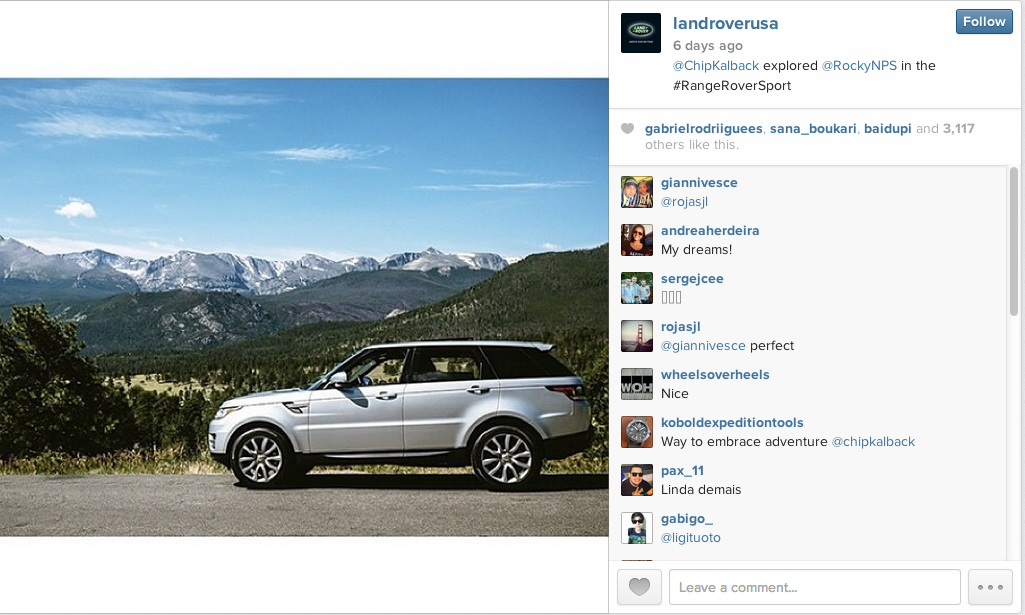
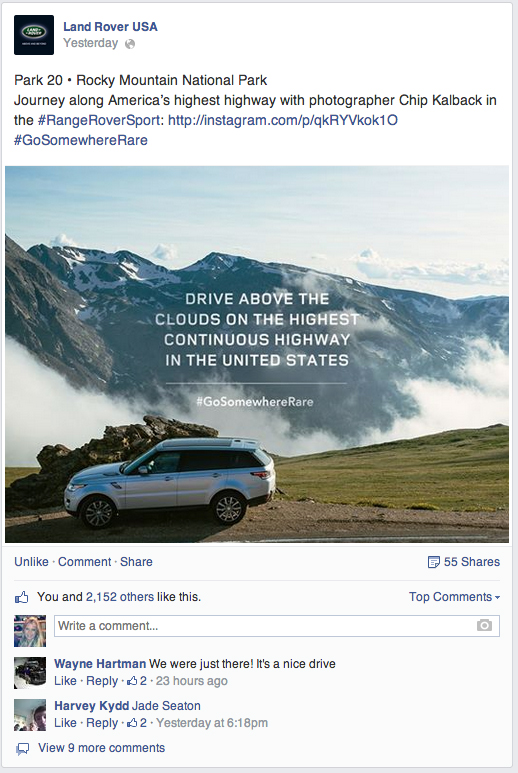
SM: We've facilitated so many wonderful images it's impossible to pick one. It's like choosing a favorite child! What gets us really excited is where our photographers' work is seen, including a national social campaign for Land Rover, the cover of Travel + Leisure, on Facebook's own page, and images featured in the rebranding of a global pharmaceutical company. It's very rewarding.
2014-09-09-LandRoverScreenShotIanMaclellan20140714at4.44.57PM.jpg
Photo Credit Ian Maclellan
2014-09-09-LandRoverScreenShot20140714at10.37.30AM.jpg
Photo Credit Ian Maclellan
2014-09-09-LandRoverScreenShotChipKalback20140723at11.20.10AM.jpg
Photo Credit: Chip Kalback
2014-09-09-LandRoverScreenShotChipKalback20140721at6.20.18PM.jpg
Photo Credit: Chip Kalback
HH: Do you dabble in photography? If so, have you ever sold any images?
SM: My background is in technology. Coupled with Meg's experience as a photo editor and licensing specialist, we are the perfect team to provide a platform where photographers can build their business. We leave the actual photography to our fast growing network of 20,000+ phenomenal photographers!
HH: How many images has ImageBrief sold for photographers since it launched?
SM: Since our official launch last year in New York we've sold thousands of images. However, the impact we're having on the professional photography community extends beyond sheer volume. Images on ImageBrief sell for anywhere from $250 to $30,000, and we pay our photographers up to 70% of every sale, more than double the standard industry commission. In addition, we recently began enabling buyers to hire photographers directly through ImageBrief. When a photographer books a job through ImageBrief, they keep 100% of the fee. So, these combined opportunities make for a very happy photographer community.
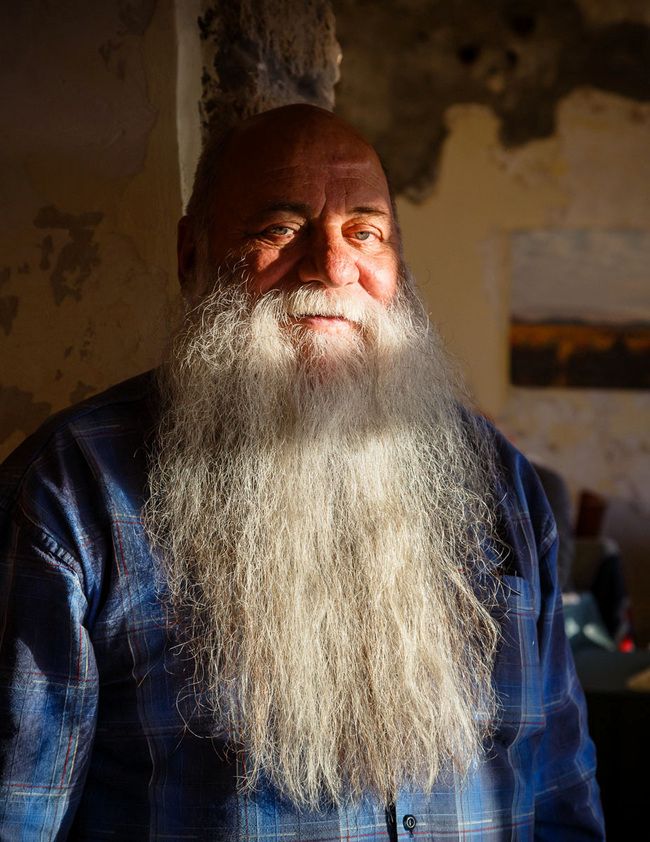
2014-09-09-UriBuri.jpg
Chef Uri of Uri Buri Restaurant in Acre, Tel Aviv. This specific request sourced through ImageBrief for a magazine editorial.
Photo Credit: Yadid Levy
HH: How do you see photography changing over the next decade?
SM: We see photography becoming more competitive, more social and more mobile. Possibly the biggest change will come from mobile phone cameras taking SLR-quality images. Once that happens it levels the playing field even further, and it comes down to the talents of the person taking the shot. There will always be a market for the photographer who has an "eye" for seeing what no one else can.
HH: Since everyone loves to "right click and save" images online - how can photographers protect themselves?
SM: At ImageBrief we take all the standard precautions such as watermarking the shots on our site, not being able to right-click and save a shot, all these kinds of things.
We are also looking at implementing technology that allows us to track images that are used without permission. This generally doesn't happen with the work we sell, but we acknowledge that on occasion work will be stolen. Therefore, we are putting measures in place to identify who is responsible and ensure our photographers are appropriately compensated.
At the end of the day, photographers should only do business on platforms and with people they trust. We're working hard every day to achieve this so that we're the platform of choice for the world's most talented photographers.
***
Thank you, Simon!